
Though it may sound impossible and contradictory, as the holiday season is associated with joy and festiveness, for some seniors, holidays bring all the opposite feelings. The so-called ‘holiday depression’ in elderly adults may cause feelings of sadness, loneliness, or even pain, making even the most exciting season a burden. Hence, if you see your loved one looks ‘gloomy’ and brush it off thinking holiday depression is ’ not a thing’, you may want to reconsider.
Read on to learn more about holiday depression in elderly adults, why it happens, and what you can do.
What Is Holiday Depression in Elderly Adults?
 Understanding Seasonal and Situational Triggers
Since more people develop winter-pattern holiday depression, winter is the most studied season so far. Many scientists found that holiday depression may stem from shorter daylight exposure that reduces the ‘happy hormone’, known as serotonin. The same situation also causes vitamin D deficiency, which is supposed to increase the hormone. With more dark days, melatonin, the sleep-wake hormone, is produced, and the cycle is eventually impaired.
Who Is Most at Risk?
Everyone can be affected by this condition. However, those with the highest risk of holiday depression are people with co-occurring mental health conditions, such as bipolar disorder and major depression. Other populations at risk are none other than the elderly adults. With factors like loss of spouse and friends, inability to do what used to be done easily, or decreased cognitive function, combined with a gloomy atmosphere, it’s no wonder that holiday depression in elderly adults is common.
Why Holiday Depression Happens in Elderly Adults
Social and Emotional Causes
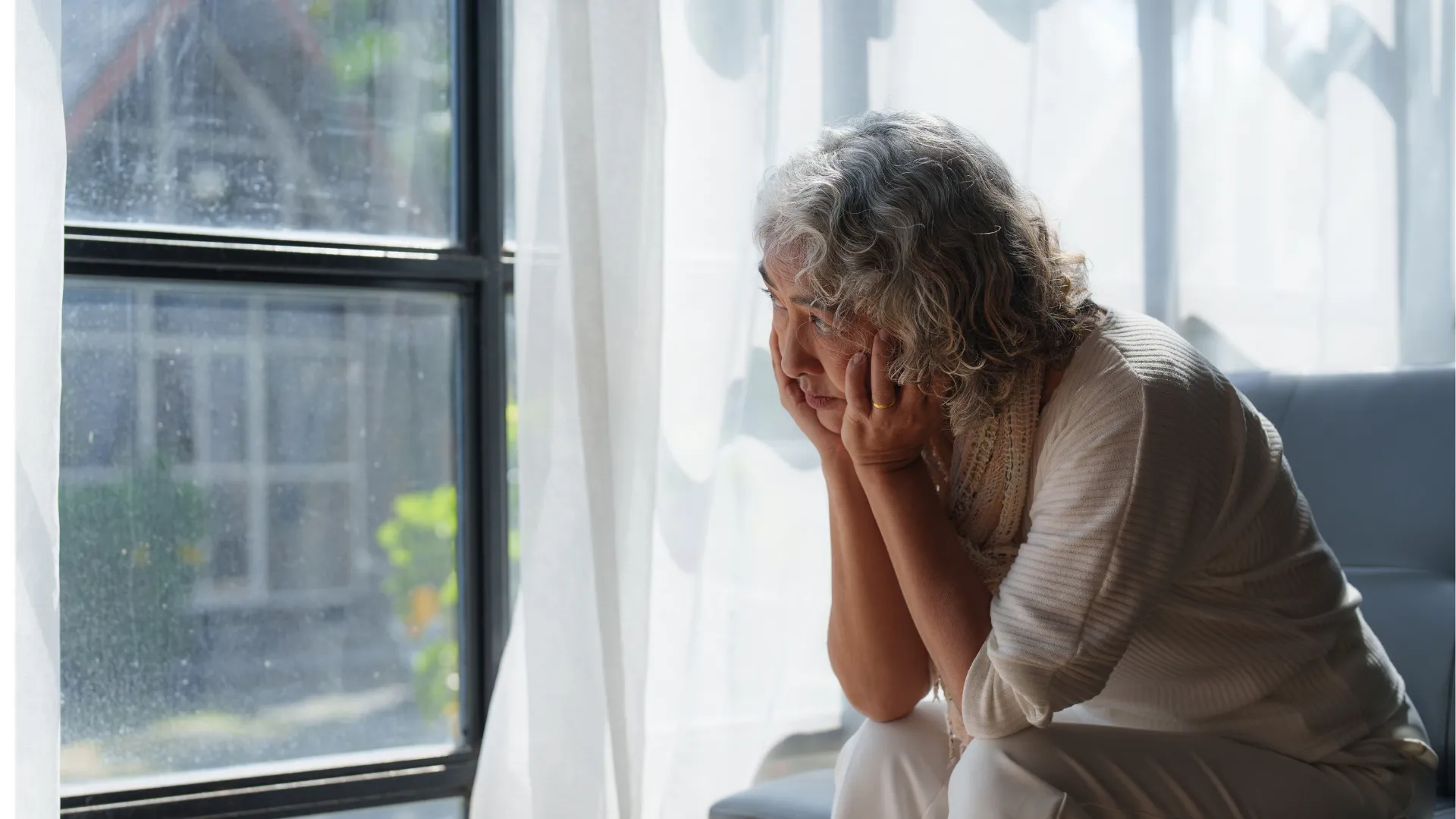
As we said before, holiday depression in elderly adults may happen because a lot of seniors withdraw from social activities due to decreasing abilities, chronic conditions, or simply no one takes them out anymore. From then on, the feeling of isolation starts to creep in and worsen any sadness, anxiety, or other negative emotions associated with cold, gloomy days, which should be easily brushed off by the positive presence of other people.
 Environmental and Seasonal Influences
Less natural light and colder temperatures are the recipe for reduced levels of happiness hormones and motivation to do anything, which also means less exposure to natural light and colder body temperature. This vicious cycle, in turn, can leave seniors feeling more fatigued, withdrawn, and emotionally low as the season progresses. Over time, these small daily shifts can snowball into a noticeable decline in mood, activity levels, and overall well-being.
Emotional and Behavioral Red Flags
To care for your aging loved one means being vigilant about the symptoms of holiday depression in elderly adults. The red flag you need to be aware of is changes in emotional state and behaviour. Your loved one may seem more irritable, unusually quiet, or less enthusiastic about activities they typically enjoy. They may withdraw from conversations, appear uninterested in hobbies, or prefer solitude for long periods — behaviors that go beyond normal winter sluggishness.
Physical Indicators
Other changes in physical condition should also raise a flag. Worsening physical complaints, such as body aches and persistent fatigue, are one telling indicator. Your loved one may also look sleepy all the time and crave more carbohydrates than usual, yet still feel low on energy throughout the day. Over time, these physical changes can deepen feelings of sadness and loneliness, creating a cycle that becomes harder to break if left unaddressed.
How You Can Support Elderly Loved Ones During the Holidays
Strengthen Social Connections
Being socially active is extremely helpful to alleviate holiday depression in elderly adults. So, if your loved one is never happy, engaging in meaningful conversation or simply sharing laughter through card games can help lighten their mood, reduce feelings of loneliness, and help them feel connected to something bigger than themselves, eventually bringing them out of their emotional slump.

Promote Healthy Routines
A healthier body leads to a happier state of mind, vice versa. Besides keeping your loved one warm during this cold month, gentle exercises, such as morning stretches and light indoor activities, can help stabilize mood and improve overall energy levels. However, remember not to push too hard, as every activity should not be exhausting. So, encourage your loved one to take on these activities and pair them with healthy eating habits for extra support.
Address Grief and Emotional Challenges
Your senior loved one may have a higher chance of losing someone dear in their lifetime. Imagine having that special someone to share a holiday with year after year, only to face that season without them one day. Winter’s quiet moments and family-centered celebrations can make that absence feel even heavier. Acknowledging their grief, offering gentle companionship, and creating new traditions together can help them feel supported rather than alone.
When to Seek Professional Help
Warning Signs That Require Immediate Attention
Holiday depression in elderly adults will sometimes go beyond temporary sadness and start interfering with their day-to-day ability to function. If you notice your loved one withdrawing from the communities, having drastic changes in appetite or sleep, expressing sadness or hopelessness, or worse, talking about self-harm or suicide, seek professional help immediately.
These red flags signal that your aging seniors need more than emotional support from their family and close ones can offer. Instead, they need timely intervention from a mental health professional to keep them safe and supported.
How Sunny Days Great Lakes In-Home Care Can Help
Another way you can support beloved seniors is by providing them with the daily support they need. Sunny Days Great Lakes-In Home Care understands the unique emotional challenges seniors face during the holiday season. Our professional caregivers not only will provide seniors with daily assistance tailored to their needs to promote independence, but also meaningful companionship — the kind that helps seniors feel seen, valued, and connected.
End Note
Holiday depression in elderly adults is real, and it deserves attention, compassion, and timely support. By staying present, encouraging healthy routines, and fostering meaningful connections, you can make a tremendous difference in your loved one’s emotional well-being this season. And when the challenges feel too heavy to manage alone, you don’t have to. Support from Sunny Days Great Lakes In-Home care will ensure your loved one receives the companionship, structure, and daily support they need to live independently.
Reach out to our team today to get started.