
It can be confusing to tell whether small changes you notice in your elderly parent, like a messy home, hesitancy to move around, or missed appointments, are simply a natural part of aging or a telling sign that your parent needs additional help. Often, these changes happen gradually, making them easy to overlook. Yet understanding the warning signs is the key to preventing minor issues from becoming serious concerns.
Here, we’ll walk you through 10 signs your elderly parent needs help so you can ensure they get the help they need.
Why It’s Important to Recognize the Signs Early
Why it’s important that we learn 10 signs your elderly parent needs help because it can make a meaningful difference in how they experience their later years. When changes are recognized early, your aging loved one is more likely to maintain independence, dignity, and quality of life throughout their golden years. On the other hand, delayed or absent support can lead to avoidable complications and unnecessary stress.
Simply put, the earlier support is provided, the better—because it helps prevent small challenges from turning into major health or safety issues. For your parents, receiving the right help at the right time allows for a smoother transition, rather than suddenly needing assistance with every aspect of daily life.
10 Signs Your Elderly Parent Needs Help
 1. Difficulty With Daily Activities (ADLs)
The easiest one to notice is how it’s becoming harder for your loved one to carry out regular day-to-day activities. Bathing, dressing, or simply going from room to room that was once a no-brainer may become harder. Luckily, your parent can continue to live at home independently with assistance tailored to their remaining abilities, receiving just enough support to stay safe while preserving their confidence and independence.
2. Frequent Falls or Balance Issues
Failure to notice this sign can be fatal for your loved one’s health. Frequent falls or balance issues can signal an underlying medical condition that requires medical intervention. At the same time, living with balance problems often means additional help or supervision is needed at home to reduce the risk of injury and prevent unwanted accidents from occurring.
3. Noticeable Changes in Personal Hygiene
A decline in personal hygiene, especially if your parent was once very hygienic and told you to shower all the time, screams for help. Skipping regular baths or appearing unkempt may indicate physical struggle, fear of falling in the bathroom, memory issues, or even depression. To ensure your parents’ health, comfort, and dignity, personal care help from a professional caregiver who doesn’t judge is just what they need.
4. Unexplained Weight Loss or Poor Nutrition
Difficulty chewing due to loose dentures or decreased appetite from medical conditions can take the joy out of eating. Eating may become more like a stressful or even painful chore, causing your parents to eat less or skip it entirely. Eventually, weight loss may occur, and health may decline further. Before this vicious cycle repeats itself, someone needs to step in.
 5. Forgetfulness That Affects Daily Life
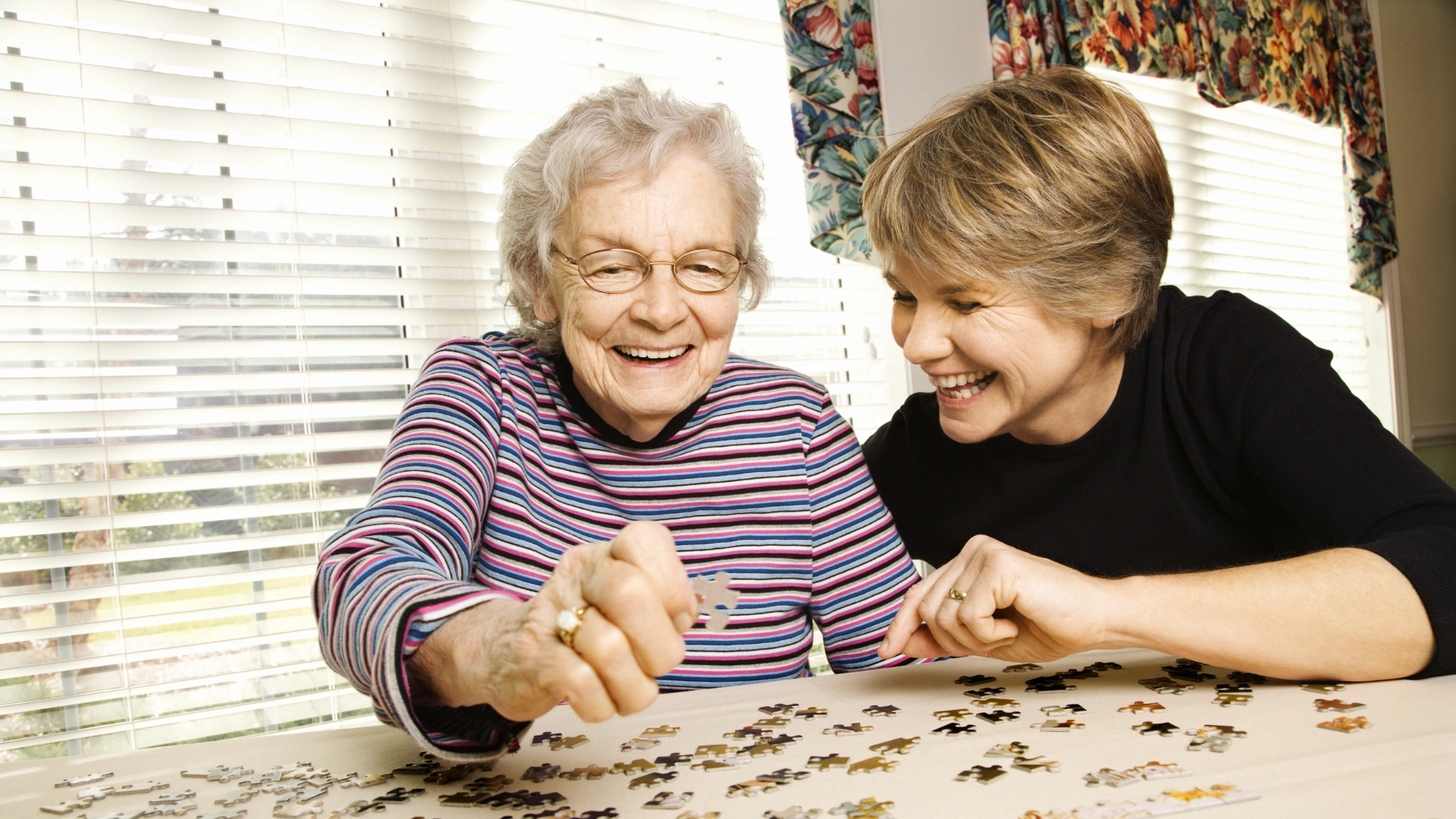
Occasional forgetfulness is a regular part of aging. Yet, missed medications, forgotten meals, or getting lost in familiar places are not —and they can be frightening for both your aging loved one and your family. Once forgetfulness starts affecting safety and well-being in a way that your family can no longer handle, seeking professional support becomes a responsible and compassionate step for everyone involved.
6. A Messy, Unsafe, or Neglected Home
When personal care becomes difficult, imagine what it feels like to keep up with the house. One of the 10 signs your elderly parent needs help can be found right in front of your eyes in the living environment in the form of clutter, unwashed dishes, or spoiled food. But that doesn’t mean your beloved parent should give up their independent life at home. Instead, in-home care can provide the right level of support to keep the home safe and comfortable.
7. Mood or Personality Changes
It’s human to have moods shift from time to time. However, sudden withdrawal from social activities, anxiety, or prolonged sadness stemming from medical conditions, declining abilities, or the loss of someone dear can affect emotional well-being and eventually physical health. When these changes persist, accompanied by lasting changes in personality, it may even signal a more concerning condition, such as dementia, that warrants specialized care.
8. Difficulty Managing Medications
More than 50% of elderly Americans, perhaps your parents included, have more than one chronic condition that requires multiple medications each day. Keeping track of different instructions, doses, and shapes can be confusing, to the point where missed doses, taking the wrong medication, or mixing up schedules can happen. Since medication errors can have serious health consequences, extra help may be needed to keep your loved one safe.
9. Trouble Getting Around or Driving Safely
One of the 10 signs your elderly parent needs help often shows up in how they get around. Changes in strength, balance, vision, or reaction time can make walking, running errands, or driving safely more difficult or even downright dangerous. Hence, pay attention to any hesitation behind the wheel, new dents or scrapes on the car, difficulty getting in and out of vehicles, or growing reluctance to go out at all.
 10. Caregiver Burnout in Family Members
The last one from 10 signs your elderly parent needs help isn’t about your parents. Instead, it’s about you or other family members caring for them. So, you can recognize this sign by checking in with yourself to see if you feel the signs of caregiver burnout, such as constant exhaustion, stress, or feeling overwhelmed by caregiving responsibilities. When this happens, asking for professional help is not a sign of weakness, but a caring step that protects both you and your loved one.
What To Do If You’re Noticing These Signs
Once you notice one or more of these 10 signs your elderly parent needs help, start with an open and compassionate conversation with your elderly parent about what you’re seeing and how they’re feeling. Remember that seeking help is about support, not taking away independence. Whether it’s involving healthcare professionals, exploring in-home care options, or sharing responsibilities with other family members, early action can prevent bigger challenges later.
How In-Home Care Can Help Your Elderly Parent
Common In-Home Care Services Include
To help your aging loved one navigate the new reality, in-home care provides tailored support according to their unique condition, wishes, and preferences. Rather than taking away independence, in-home care like Sunny Days Great Lakes offers help exactly as needed and empowers your parent to do what they can on their own while ensuring their safety and well-being.
Types of care may include help with personal care, bed/wheelchair transfer, medication reminder, and simple companionship. Beyond everyday support, however, more specialized services, such as Alzheimer’s and dementia care, care during recovery from surgery or illness, and veteran care, are also available should your loved one need them.
Final Note
Recognizing the 10 signs your elderly parent needs help is not about labeling your loved one as incapable—it’s about noticing when a little extra support can make a meaningful difference. With the right help at the right time, your parent can continue living safely, comfortably, and with dignity in the place they call home.
Contact Sunny Days Great Lakes today to learn how our experienced caregivers can support your loved one.